Q4 CRUNCH TIME: MASTERING OPEN ENROLLMENT WITH CONFIDENCE
With Q4 in full swing, we’re all feeling the pressure of the busiest time of year. But as we head into the final stretch before open enrollment, it’s crucial to carve out time to ensure our clients are fully prepared. Whether they offer health insurance or not, their employees need to be ready, and that’s where we come in as their trusted advisors.
KEY DATES AND TIMELINES
Federal insurance marketplace open enrollment kicks off on November 1 and runs through December 15. While some private insurers may have different dates, most stick close to this window. With just a short time left, now’s the time to start those final conversations with your clients.

Guiding Uninsured Employees: Federal Marketplace Essentials
Not all employers are required to offer qualifying health insurance under the ACA. Even among those that do, some employees might not qualify or may choose not to enroll. These employees need to be aware of their options in the federal marketplace.
- Marketplace Enrollment Reminder: Federal marketplace enrollment starts on November 1 and ends on December 15. Missing this deadline means employees can only get coverage if they qualify for a special enrollment period due to a significant life change or if they’re eligible for Medicaid or CHIP.
- Costs and Coverage: The amount employees pay often depends on their household income. With various policies available, you can step in, providing insights on plan differences and guiding them toward the most suitable options.
Keeping Insured Employees Informed: What They Need to Know
For clients who do offer health insurance, it’s crucial to keep employees informed about any upcoming changes. Coverage adjustments, premium increases, deductible shifts—these are all factors that can impact decisions.
The Impact of the Individual Mandate Repeal—Looking Forward: Since the repeal of the federal individual mandate in 2019, we’ve observed shifts in how employees approach their health insurance decisions. With no federal penalty for being uninsured, some employees may consider dropping their coverage, especially if they’re covered under a spouse’s or parent’s policy. However, as healthcare costs continue to rise, this decision carries risks.
Recent insights from Kaiser Family Foundation (KFF) reveal that insurance coverage patterns have been shifting since the repeal of the federal mandate1. This underscores just how important it is to stay proactive and keep the lines of communication open with your clients. As we look toward 2024, it's wise to be aware of potential changes at the state level. States like California, New Jersey, and Massachusetts are either expanding their individual mandates or considering new regulations, which could bring about fresh compliance requirements2.

Talking through these trends with your clients can really make a difference. By helping them understand the risks of going without coverage and the benefits of keeping it, you’re not just offering guidance—you’re providing peace of mind. Staying updated on any upcoming legislation can also give your clients the edge they need to make informed choices and stay compliant, setting them up for success in the year ahead.
Exploring Other Health Coverage Options
If your clients offer high-deductible health plans (HDHPs), they might also provide Health Savings Accounts (HSAs). These accounts are an attractive option for employees looking to pay lower premiums while covering more out-of-pocket expenses.
- Why HSAs Matter: HSAs are a great tool for saving on healthcare costs, especially for employees who don’t expect high medical expenses. Educate your clients on the benefits, including tax advantages and federal contribution limits.
- Employer Opportunities: If your clients aren’t offering HSAs yet, now’s the perfect time to explore this option. HSAs can be a powerful tool for drawing in talent and keeping the team engaged, thanks to their flexibility and cost-saving benefits.

Avoiding Compliance Chaos: Your Open Enrollment Cheat Sheet
Compliance plays a critical role during open enrollment, as even small oversights can lead to significant penalties. Here’s what to keep in mind:
- ACA Reporting Requirements: Employers with 50 or more full-time equivalent employees must ensure they’re meeting the Affordable Care Act’s (ACA) reporting requirements. This includes providing accurate Form 1095-C to employees and filing them with the IRS by the required deadlines. It’s vital to ensure all information is correct to avoid potential penalties.
- ERISA Compliance: The Employee Retirement Income Security Act (ERISA) requires that employers provide a Summary Plan Description (SPD) to employees. This document outlines the details of the health benefits plan and must be provided within 90 days of an employee becoming covered. Make sure your clients are aware of this requirement to avoid compliance issues.
- State-Specific Regulations: Some states have their own health insurance mandates and reporting requirements. Ensure that your clients are aware of any state-specific obligations, especially if they operate in multiple states. This will help them stay compliant and avoid any state-imposed penalties.
- COBRA Notices: For employers with 20 or more employees, ensuring compliance with COBRA (Consolidated Omnibus Budget Reconciliation Act) is essential. Employers must provide timely and accurate notices to employees who lose coverage due to a qualifying event. This is an area where your guidance can be invaluable in helping clients avoid costly penalties.
Setting the Stage for Success: Ensuring a Smooth Open Enrollment
As we head into the final days before open enrollment begins, it’s essential to ensure your clients are fully prepared. A 2023 survey by the Kaiser Family Foundation found that 68% of employees don’t fully understand their health plan options during open enrollment. This is a prime opportunity for you to step in, provide clear guidance, and help your clients educate their employees, ensuring they make informed decisions.
For instance, a client in Texas saw a 20% increase in HSA participation after offering detailed workshops for their employees. By taking the time to explain how HSAs work and the potential savings they offer, the client not only boosted employee satisfaction with their benefits package but also helped employees make more cost-effective choices.
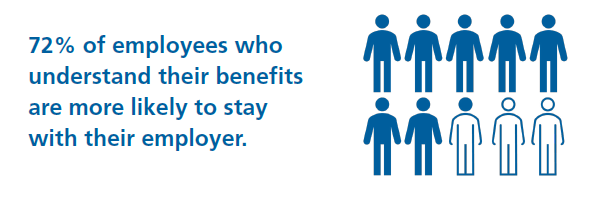
Clear communication isn’t just beneficial for understanding plan options—it also plays a crucial role in employee retention. MetLife found that 72% of employees who understand their benefits are more likely to stay with their employer4. This is particularly important when it comes to communicating any plan changes. One client avoided a significant drop in coverage by addressing potential changes early and openly. By clearly explaining the adjustments and how they would impact employees, the client was able to tailor their benefits package to better meet employee needs while staying within budget.
Bottom Line
As busy as we all are in Q4, open enrollment is one of those moments where a little extra effort goes a long way. Ensuring your clients are prepared now not only helps them succeed but also strengthens your relationship with them.

Contributor: Misty Baker is the Director of Compliance and Government Affairs for CRC Benefits
End Notes:
- Kaiser Family Foundation. (2023). "Health Coverage and the Impact of the Mandate Repeal." https://www.kff.org/health-policy-101-the-affordable-care-act/
- National Conference of State Legislatures. (2024). "State Individual Mandates and Upcoming Regulations." https://www.ncsl.org/ncsl-search-results/topics/%20/t/1725913351767?searchtext=state%20individual%20mandates%20and%20upcoming%20regulations.
- Kaiser Family Foundation “KFF Survey of Consumer Experiences with Health Insurance” https://www.kff.org/private-insurance/poll-finding/kff-survey-of-consumer-experiences-with-health-insurance/#:~:text=Data%20were%20analyzed%20across%20health,problems%2C%20complexity%2C%20and%20affordability.
- MetLife (2023) "Employee Benefits Trends Study." https://www.metlife.com/workforce-insights/the-business-value-of-employee-care/